Regional
Navigation
Search
Category
Location
The Annapurna Circuit Trek takes around 16 days and is considered as medium - hard trekking. This trekking route is known as most popular and classical trek in the Annapurna region.  This trekking trail is also recommended as one of the twenty best trekking trails all over the world. This trekking trail will take you to the villages with great mountain views, different castes people like Gurungs, Magars, Brahmins, Chhetris, Newars . You will start your trek from Besi Sahar. This trail (Ngadi)can also be seen in The National Geographic but the road has been drstroyed by the landslide. Throughout this trekking trail you will share the way with small caravan who transport supplies to the remote village of this area. There will be a small fields of millet and wheat, small flock of sheeps and goats. Thakalis and tribes controls the trading and pilgrimage trails. You will trek through different small villages like Khudi, Bhulbule, Ngadi, Lampata, Bahundanda, Jagat, Khorte, Dharapani etc.
Itinerary:
Day 1 - Besi Sahar to Bahundanda
Day 2 - Bahundanda to Chamje
Day 3 - Chamje to Bagarchhap
Day 4 - Bagarchhap to Chame
Day 5 - Chame to Pisang
Day 6 - Pisang to Manang
Day 7 - Acclimatisation Day in Manang
Day 8 - Manang to Letdar
Day 9 - Letdar to Thorung Phedi
Day 10 - Thorung Phedi to Muktinath
Day 11 - 16 - Muktinath to Pokhara
Best time
October - November and March - April are the best months for this trek.
Positively reviewed trekking agencies for the Annapurna Circuit Trek are EncountersNepal.com in Kathmandu and Asian Heritage Treks & Expeditions in Kathmandu as well.
trekking features
- teahouse / lodge trek
- Length >14 days and < 21 days
- Maximum Altitude >5000m
- Difficulty - Hard
Annapurna Circuit Trekking, Nepal details
-
Javascript is required to view this map.
Average vote based on 1 review. 5 out of 10
Javascript is required to view this map.
Location
 Explore the world renowned trekking routes in Patagonia Chile's most famous national park. Torres del Paine is an internationally acclaimed Chile trekking destination with panoramic scenery, exotic wildlife and diverse ecosystems. the internationally renowned Patagonia trekking destination and park of Torres del Paine lies all in the south of Patagonia, approximately 2500 kms from Santiago. Declared a Biosphere Reserve by UNESCO in 1978, and on the list to be declared a World Heritage site, Torres del Paine is recognized as one of the most breathtaking, unspoiled places on earth. It is believed that the name "Paine" originates from a Tehuelche Indian word meaning "blue". Thus, Torres del Paine means the "Blue Towers".
The spectacular Paine Massif, with peaks Cuernos (Paine Horns) and Grande, dominates the panoramic landscape of the park. This is the place for Chile Trekking! The park itself is host to numerous ecosystems including, calving glaciers, snow-capped mountains, cascading rivers and waterfalls, lush meadows, mirror-like turquoise alpine lakes, Magellenic forests, arid Pampas. People Trekking in Chile's Torres del Paine Park can expect to see birds like the Andean Condor, Rhea's, Nandu's (American ostrich), Cara Cara's, and Pink Flamingos and mammals like the Guanaco (relative of the domesticated llama), Gray and Culpeo Foxes and possibly Pumas. There are a few trekking options. The famous "W" circuit lets you experience the best of Torres del Paine trekking, all from the comforts our our Patagonia Eco Camp and mountain side inns. Or you can choose for the whole circuit of 11 days including depart from Punta Arenas. You actually hike from day 3 till day 10.
Itinerary: Trekking the Paine Circuit
Day 1 - Arrive in Punta Arenas on the northern shore of the Strait of Magellan.
Days 2-3 - Drive to Torres del Paine National Park, followed the next day by a 10-hour roundtrip hike to the incredible granite needles of the Torres del Paine.
Days 4-6 - Hike through beech forests and open grasslands past beautiful glacier-fed lakes of incredible hue.
Day 7 - A challenging day: cross Paine Pass (4,000 m) and descend steeply through rough terrain to Lago Grey, skirting the enormous Grey Glacier emanating from the Patagonia Ice Field.
Day 8 - Hike to the face of the Grey Glacier, then on to Lago Pehoe. Optional half-day hike on the Grey Glacier using crampons.
Day 9 - Hike into the French Valley, with views of tumbling glaciers and the jagged peaks of the distinctive cuernos (horns), and along the shores of Lago Nordenskjold.
Day 10 - Take a catamaran across the lake and drive to an hosteria for overnight.
Day 11 - Drive to Punta Arenas and depart.
trekking features
- Camping and/or teahouse/lodge trek
- Length >7 days and < 14 days
- Maximum Altitude >3000m and <4000m
- Difficulty - Medium
Torres del Paine Circuit Trek details
-
Javascript is required to view this map.
Average vote based on 1 review. 5 out of 10
Javascript is required to view this map.
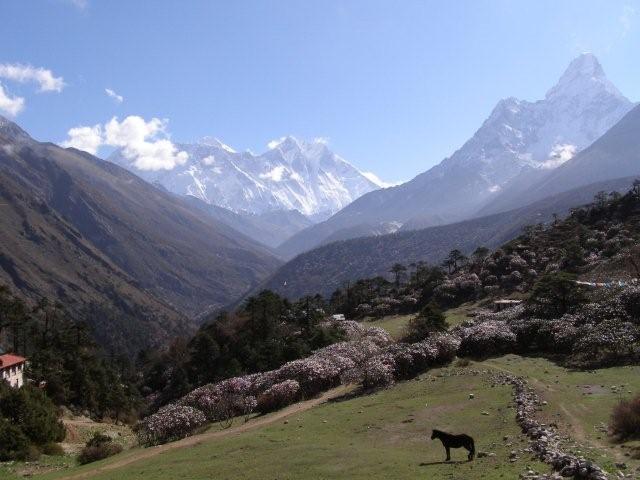 The superb trek to the Base Camp of Mount Everest is recommended as one of the important sites to be visited before one dies. The trekking trail to Everest is well-known because of the friendly Sherpa people, colorful festivals and the Buddhist monasteries. The region is known as Khumbu and has been bounded in the Sagarmatha National Park, the world heritage site. Sagarmatha is the Nepalese name of Mount Everest, the top of the world. Sherpas, the famous climbers are the dwellers of Khumbu region. Many expedition teams can be observed on this trail during April and May heading higher with an aim to be on the top of the world.
Suggested itinerary for a 14 days trekking adventure from Lukla:
Day 01: Kathmandu to Lukla (2840m) and Phakding (2610m): Fly to Lukla (35 minutes)
Day 02: Phakding to Namche Bazaar (3446m): Trek.
Day 03: Rest day at Namche Bazaar: Acclimatization.
Day 04: Namche Bazaar to Tengboche (3867m): Trek.
Day 05: Tengboche to Pheriche (4252m): Trek.
Day 06: Rest day at Pheriche: Acclimatization.
Day 07: Pheriche to Lobuche (4910m): Trek.
Day 08: Lobuche to EBC (5360m) to Gorakshep (5160m): Trek.
Day 09: Gorakshep to Kalapaththar (5545m) to Lobuche: Trek.
Day 10: Lobuche to Dingboche: Trek.
Day 11: Dingboche to Tengboche: Trek.
Day 12: Tengboche to Namche Bazaar: Trek.
Day 13: Namche Bazaar to Lukla: Trek.
Day 14: Lukla to Kathmandu: Fly to Kathmandu (35 minutes).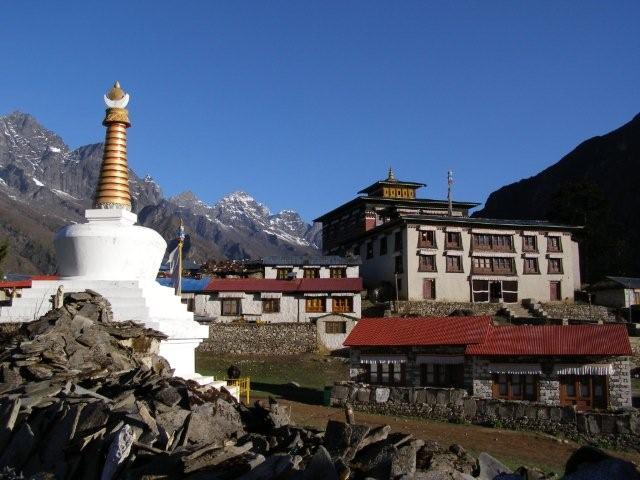
Best time for this trek will be the months of October-December and February-May.
trekking features
- Camping and/or teahouse/lodge trek
- Length >7 days and < 14 days
- Maximum Altitude >5000m
- Difficulty - Hard
Everest Base Camp trekking details
| Average vote based on 2 reviews. |
|
Location
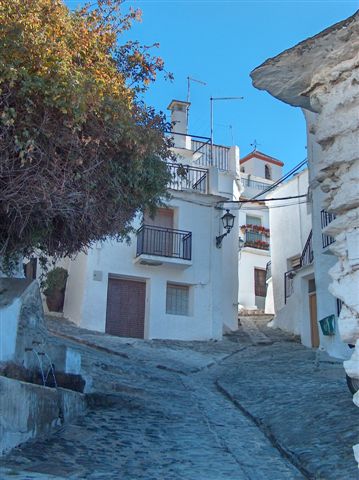 The (GR240) trek is a 300 km long, beautiful 15 day trek around the Sierra Nevada mountain range in Andalusia.
Sulayr (mountain of the sun) is the Arabic name for the Sierra Nevada. The Sulayr trek is a new itinerary (2007) divided in 19 parts. The trail is marked with red/white signs and has an average altitude of 1800 metres.
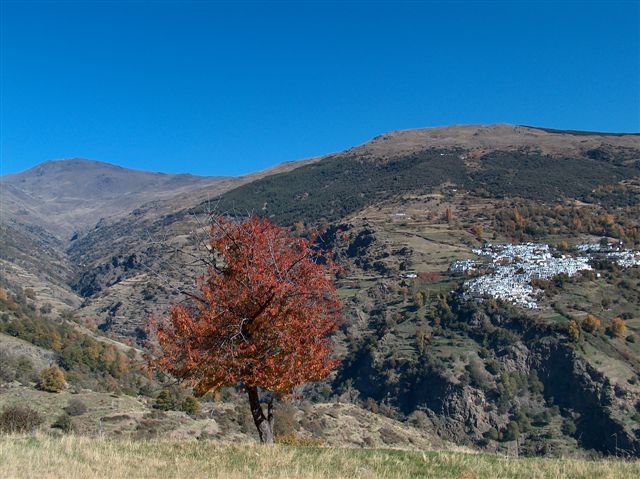 The trail oftens follows the border of the Parque Natural and Parque Nacional de Sierra Nevada and passes several mountain refugios.
Hikers can spend the night in refugios and villages nearby the trail, but this usually means longer walking distances per day. The only two villages "en route" are Capileira and Trevélez in the Alpujarras. Camping is also possible, but you have to inform the authorities of the Parque Natural.
trekking features
- Camping and/or teahouse/lodge trek
- Length >14 days and < 21 days
- Maximum Altitude >2000m and <3000m
- Difficulty - Medium
Sendero Sulayr (GR240 trek) details
-
Javascript is required to view this map.
Javascript is required to view this map.
Location
The Selvaggio Blu Trek in Sardinia is one of the most beautiful treks in Italy...... and one of the most wildest and challeging.
The route of this stunning trek/expedition goes from the town of Santa Maria Navarrese (close to Arbatax) to the beach of Cala Luna and involves climbing and abseiling. It follows the coastline the Orosei Gulf, one of the most breathtaking gulfs of the Mediterranean sea.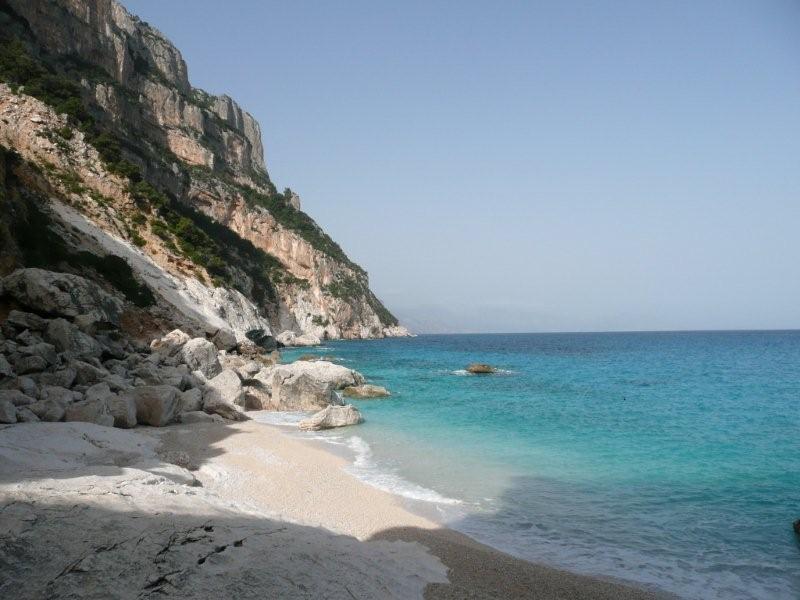
Itinerary:
Day 1: Santa Maria Navarrese to Pedralonga.
Day 2: Pedralonga to Portu Quau, via Portu Pedrosu.
Day 3: Portu Pedrosu to descend to the beautiful beach of Goloritzè, via Punta Salinas, part of the route goes along the edge of the 200 meter high cliffs over the sea.
Day 4: Cala Goloritzè to the area of Ololbizzi, along the Boladina Canyon
Day 5: Beach near Ololbizzi to Cala Sisine
Day 6: to the beautiful beach at Cala Luna, via the Sedda Eranu pass. From here you can take a boat back to Santa Maria Navarrese or to Cala Gonone.
Best time for this trek: April to June
We recommend you to to this trek/expedition by an organized tour as the second part involves some serious climbing and abseiling.
trekking features
- Camping Trek
- Length < 7 days
- Maximum Altitude <2000m
- Difficulty - Hard
Selvaggio Blu Trek details
-
Javascript is required to view this map.
Javascript is required to view this map.
